Midweek meals often become predictable and rushed, but they don’t have to be dull or uninspiring. By adopting a few key techniques, anyone can elevate simple dishes into meals that feel special and thoughtfully prepared.
Making midweek meals feel like restaurant dishes involves focusing on quality ingredients, balanced flavours, and presentation to create a satisfying experience without adding extra stress. Small adjustments in seasoning, plating, and combining textures can transform everyday cooking into something memorable.
This guide will explore practical tips and strategies that help bring that restaurant quality into the home kitchen, making midweek dinners something to look forward to, not just another obligation.
Core Principles for Elevating Midweek Meals
Elevating midweek meals involves attention to detail in how food looks, the cooking methods used, and the harmony of taste and texture. These elements help transform simple, quick recipes into dishes that feel thoughtful and restaurant-quality.
Restaurant-Style Plating and Presentation
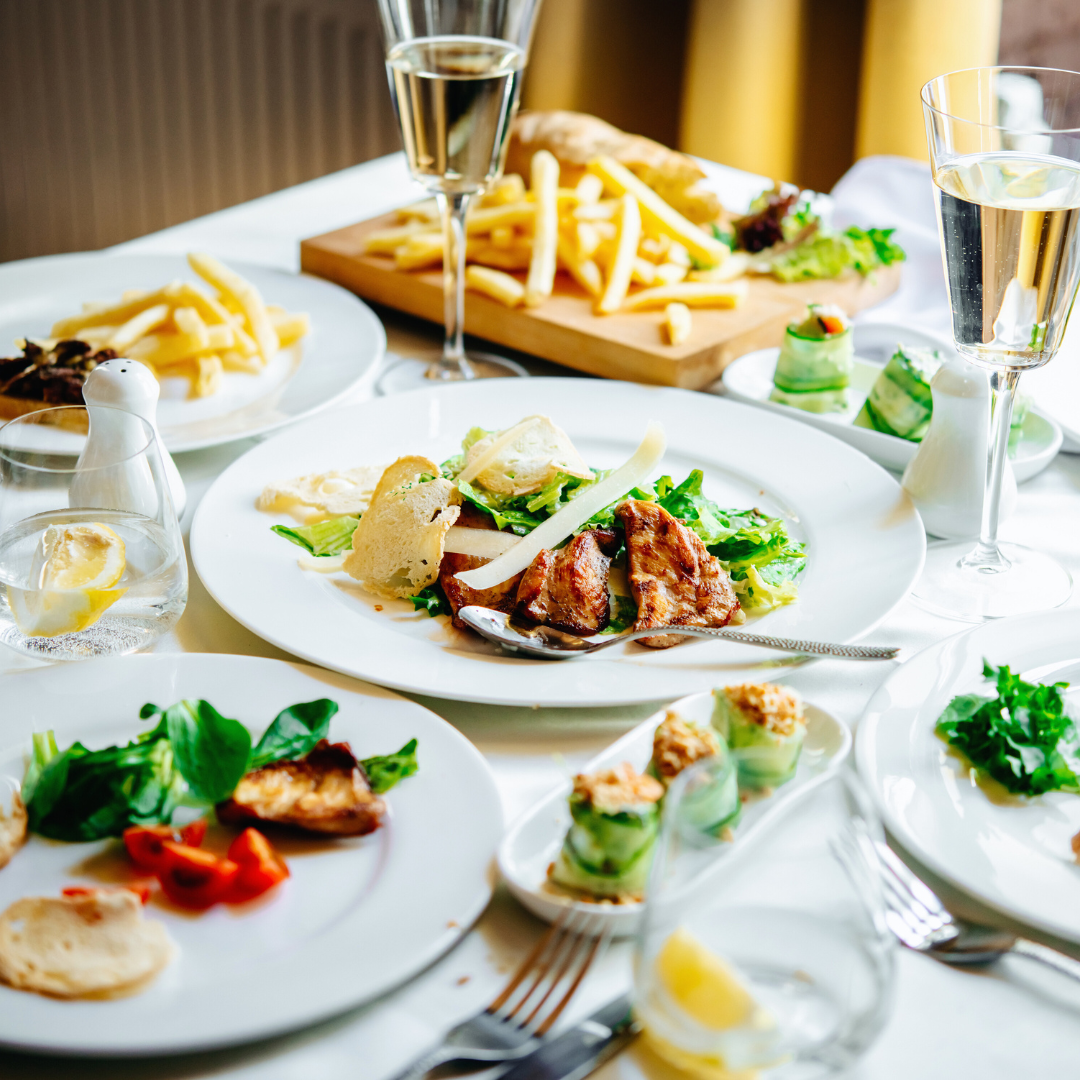
Plating impacts the overall dining experience by making meals visually appealing. Using clean, white plates highlights the colours of the ingredients. Portion control is key; avoid overcrowding the plate to maintain a balanced look.
Garnishes like fresh herbs or a drizzle of sauce add sophistication without complexity. Layering ingredients or using height can give dimension, making the dish look more deliberate. Simple tools such as moulds or tweezers help create neat arrangements even with easy recipes.
Presenting midweek meals with minimal but purposeful decoration elevates them without requiring extra time.
Embracing Culinary Techniques at Home
Midweek cooking benefits from mastering a few essential techniques that enhance flavour quickly. Searing meat or fish adds a caramelised crust and depth. Blanching vegetables preserves colour and crunch while speeding up cooking.
Using emulsions like vinaigrettes or quick pan sauces can add complexity with limited effort. Timing is crucial; cooking components just right ensures textures and tastes are optimised.
Techniques like resting cooked protein or layering flavours gradually through seasoning bring a restaurant touch to quick and easy recipes.
Balancing Flavours and Textures
A well-balanced dish contains contrasting and complementary elements. Combining acidity, saltiness, sweetness, and bitterness prevents one note from dominating. For example, a squeeze of lemon brightens rich meats or creamy sauces.
Textural contrast is equally important. Crunchy elements like toasted nuts or fresh vegetables can offset soft or creamy components. This creates interest and keeps each bite engaging.
Understanding these balances helps home cooks turn simple ingredients into dishes that feel intentionally crafted and satisfying.
Essential Ingredients to Transform Everyday Dishes
Using a few well-chosen ingredients can elevate simple meals to a restaurant-quality level. Combining rich flavours and versatile staples adds depth without complexity or expense.
Enhancing Recipes with Cheeses and Ham
Cheeses like Gruyère, cheddar, or mozzarella bring rich, creamy textures that boost the flavour of everyday dishes. Melting cheese over roasted vegetables or pasta creates a satisfying finish. Choosing a good quality ham, such as smoked or honey-glazed, adds saltiness and a savoury punch.
Ham can be diced into salads, stirred into sauces, or used as a topping for pizzas and flatbreads. Combining ham and cheese in dishes like gratins or quiches enhances both texture and taste without extra effort. These ingredients also work well in sandwiches and wraps for easy midweek meals.
Creative Uses for Cabbage in Midweek Cooking
Cabbage is an affordable, nutrient-rich vegetable that adds crunch and freshness. It can be shredded raw for salads or slaws, giving a crisp contrast to richer dishes. Cooking cabbage by sautéing with garlic and spices softens its texture and intensifies its flavour.
Incorporating cabbage into stir-fries, soups, or stews brings body without adding heaviness. It pairs well with smoked meats, including ham, for balanced flavour combinations. Braised cabbage is a simple side dish that complements many comfort foods, providing variety to midweek menus.
Affordable Comfort Food Staples
Certain staples remain reliable for turning simple meals into comforting experiences. Ingredients like potatoes, onions, and pulses provide filling bases that pair well with cheeses and ham. Incorporating these staples with fresh vegetables keeps meals wholesome and budget-friendly.
Using slow-cook methods or oven-baking can deepen flavours in these staples. For example, smashed potatoes with melted cheese and ham bits create satisfying textures and tastes. These staples help build classic comfort food dishes that feel indulgent yet are straightforward to prepare.
Showstopping Recipes for a Restaurant Feel
Transforming midweek meals into impressive dishes requires thoughtful ingredient choices and efficient cooking methods. Using familiar favourites like meatballs and burgers with a twist, or focusing on one-pan and traybake meals, can elevate everyday dinners. Simple pasta and casserole recipes can also be adapted to feel more gourmet without added complexity.
Modern Takes on Meatballs and Burgers
Reinventing meatballs and burgers with fresh herbs and unique sauces adds restaurant-quality flavour. For instance, blending minced beef with finely chopped sun-dried tomatoes, garlic, and Parmesan creates a rich taste. Pairing meatballs with a fragrant tomato and basil sauce rather than a basic passata enhances the dish significantly.
Burgers benefit from brioche buns and toppings like caramelised onions or blue cheese. Using mixed meats—such as lamb and beef—adds depth, while cooking them on a hot griddle ensures a satisfying crust. Serving with homemade coleslaw or sweet potato fries makes this a balanced, visually appealing meal.
One-Pan and Traybake Wonders
One-pan meals reduce prep and washing, making them ideal for busy nights while still feeling special. Traybakes featuring chicken thighs, roasted vegetables, and herbs combine crisp textures with juicy meat. Adding ingredients like chorizo or preserved lemon introduces sophistication without extra effort.
Seasoning is key: paprika, cumin, or smoked sea salt elevate the taste. Layering ingredients to cook at the same time maintains moisture and flavour. Presentation counts—serve traybakes on a large platter garnished with fresh parsley or lemon wedges for a bistro-style look.
Gourmet Yet Simple Pasta and Casserole Ideas
Pasta dishes can be elevated by incorporating seasonal vegetables and quality cheeses. For example, rigatoni with roasted aubergine, garlic cream sauce, and basil is both easy and elegant. Using fresh pasta or layering flavours with slow-cooked ragù adds richness without complexity.
Casseroles benefit from slow cooking to develop deep flavours. Combining beef or chicken with root vegetables, herbs, and a splash of red wine creates a hearty meal. Topping with a crisp breadcrumb layer or Parmesan before baking adds texture and visual appeal. These recipes balance convenience and restaurant-style flair efficiently.
Effortless Strategies to Streamline Your Weeknight Cooking
Making weeknight meals feel special often relies on preparation, efficient use of ingredients, and thoughtful shortcuts. These strategies save time without sacrificing quality, allowing for quick and easy recipes that still impress.
Batch Cooking and Freezer Hacks
Batch cooking reduces the need to cook from scratch every night. Cooking large portions of staples like rice, pasta, or roasted vegetables in advance provides a base for multiple meals.
Freezer hacks extend this convenience. Portions of cooked proteins or sauces can be frozen in clearly labelled containers or freezer bags. This makes it simpler to combine fresh components with pre-made elements quickly.
Using airtight containers and vacuum sealing can help prevent freezer burn and maintain texture. To avoid waste, portion food according to likely meal sizes and rotate stock to use older items first.
Incorporating Quick Sauces and Garnishes
Sauces and garnishes transform simple dishes into restaurant-quality meals with minimal extra effort. Homemade sauces like pesto, tzatziki, or a quick chilli oil can be prepared in under 10 minutes and kept refrigerated.
Fresh herbs, toasted nuts, or a squeeze of lemon brighten flavours instantly. Using citrus zest or a drizzle of flavoured oil right before serving enhances presentation and taste.
Ready-made condiments can also play a role, but should be chosen for quality and balanced flavour. Mixing fresh and pantry ingredients creates depth while keeping preparation time short.
Smart Shopping and Meal Planning Tips
Smart shopping means buying versatile ingredients that work in multiple meals, such as chicken breasts, mixed salad leaves, or canned tomatoes. This flexibility supports quick and easy recipes built around what is available.
Meal planning involves outlining dinners ahead, focusing on recipes that reuse elements to reduce ingredient lists and waste. Writing a precise shopping list based on this plan prevents impulse buys and last-minute trips.
Scheduling one or two key cooking sessions, like batch cooking days, aligns shopping and meal prep efficiently. Choosing shops with reliable fresh produce and a good selection of staples helps maintain consistency in meal quality.