
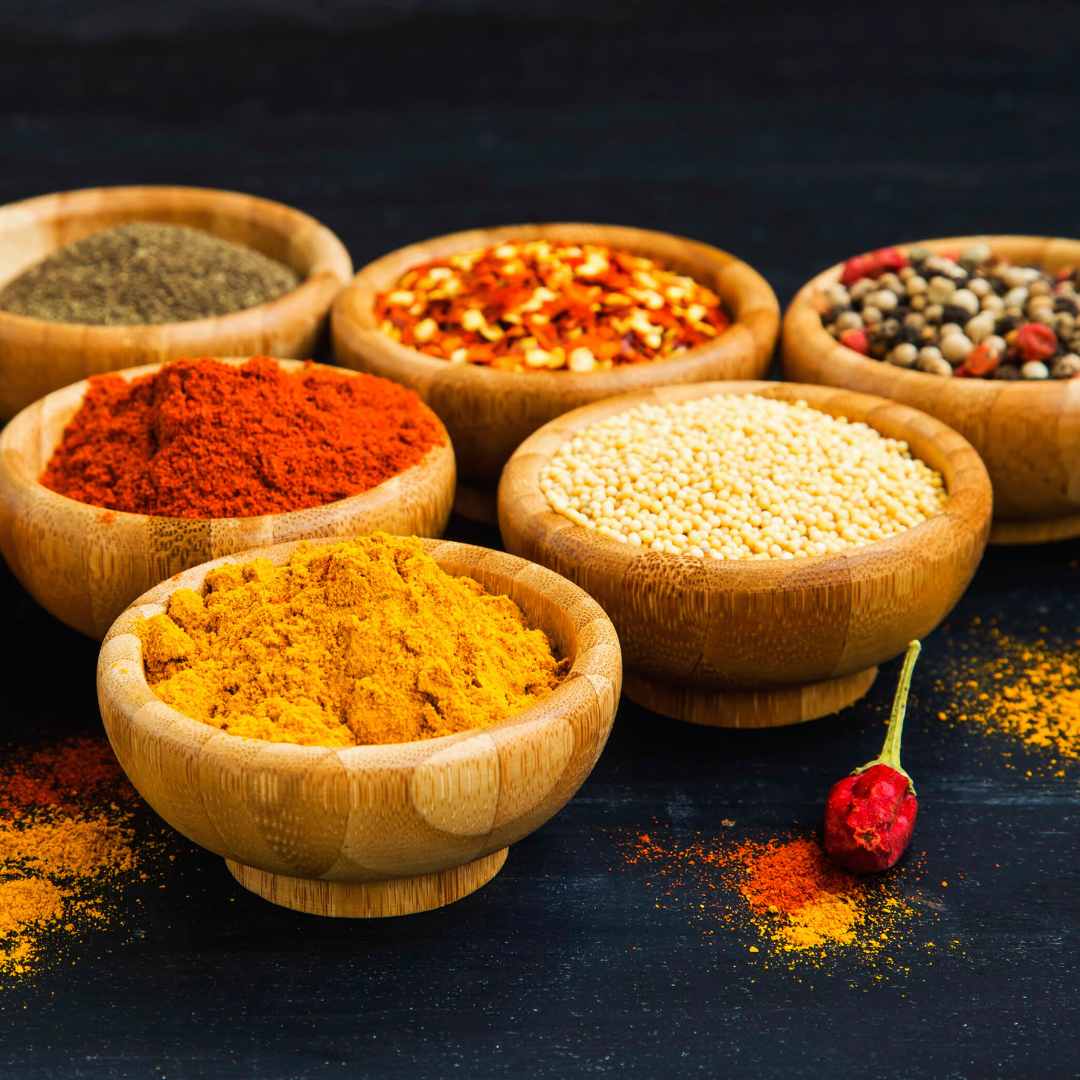
Many people believe elevating everyday meals requires expensive or hard-to-find ingredients. However, simple additions like fresh herbs, a squeeze of citrus, or a pinch of spice can transform a basic dish into something memorable. These small changes enhance flavour without complicating the cooking process.
Using everyday ingredients in new ways encourages creativity and saves time. Even familiar recipes can feel exciting with a thoughtful twist, making regular meals more enjoyable without extra effort.
The key lies in recognising the potential of what is already available in the kitchen. By focusing on balance and contrast, ordinary dishes gain depth and interest that invite a second helping.
Understanding and Choosing Simple Ingredients
Choosing the right ingredients can transform a basic meal into something memorable. This involves focusing on freshness and seasonality, recognising flavour combinations, and using key aromatics that add depth and balance.
The Importance of Freshness and Seasonality
Fresh ingredients deliver more vibrant flavours and better textures. Vegetables like peppers and herbs such as basil taste brighter when freshly picked rather than stored for long periods.
Seasonal produce often costs less and has a higher nutrient content. For example, picking garlic and onions during their peak season ensures they are moist and sweet, rather than dry and bland.
Shopping with the seasons in mind also supports sustainable practices. Knowing when to select certain items encourages variety, which can elevate everyday meals by adding natural complexity.
Getting to Know Flavour Profiles
Understanding how individual ingredients interact is key. Onions provide sweetness and body when cooked slowly, while garlic adds pungency and warmth quickly when sautéed.
Peppers offer a range of tastes from sweet to mildly spicy, depending on the type. Basil contributes a fresh, slightly peppery note that can cut through richer dishes to brighten the overall flavour.
Balancing these profiles involves pairing ingredients that complement or contrast each other, such as combining sharp garlic with fresh basil to add both depth and freshness to a dish.
Incorporating Aromatics into Dishes
Aromatics like onions, garlic, and fresh herbs form the backbone of flavour in many recipes. They release their essential oils when gently cooked, creating a foundation for the rest of the meal.
Using fresh herbs such as basil at the end of cooking preserves their delicate aroma. Meanwhile, slowly caramelised onions contribute sweetness and richness.
Proper use of aromatics requires attention to timing and preparation; finely chopping garlic and adding it later than onions prevents burning and bitterness. These small techniques improve the final taste significantly.
Elevating Flavour with Herbs, Spices, and Seasonings
Herbs and spices can transform simple meals with careful use. Freshness, balance, and layering of seasoning are crucial to achieve depth without overwhelming the dish.
Using Fresh Herbs Effectively
Fresh herbs like basil, rosemary, and cilantro add brightness and complexity when added at the right stage. Basil is best added at the end of cooking or as a garnish to preserve its aroma. Rosemary, being woody, benefits from slow cooking to release its oils completely.
Chopping herbs finely enhances flavour distribution, but avoid bruising delicate leaves like cilantro, which can quickly turn bitter. Washing herbs thoroughly and drying them prevents watering down dishes. Using a handful of fresh herbs where spices might dominate keeps dishes vibrant.
Mastering Spice Combinations
Spices such as cumin and cinnamon bring warmth and an earthy depth to meals. Combining spices requires understanding their individual intensity; for example, cinnamon is strong and sweet, best paired with mild cumin rather than overpowering it. Toasting whole spices briefly before grinding enhances their flavour by releasing essential oils.
Blending spices early in the cooking process develops a fuller flavour. Keeping a simple spice mix on hand, like cumin, coriander, and cinnamon, allows quick seasoning of various dishes. Balancing strong spices prevents bitterness and maintains clarity in the overall taste profile.
Seasoning for Depth and Balance
Seasoning impacts the perception of all ingredients, emphasising or muting flavours. Salt is the most critical seasoning, enhancing natural tastes when added gradually and tasted frequently. Acidic ingredients like lemon juice or vinegar can brighten rich or heavy dishes and provide balance.
Layering seasonings during cooking, rather than a single addition, builds complexity. For example, a pinch of salt during sautéing followed by a final adjustment before serving creates a well-rounded profile. Using herbs and spices alongside salt and acid ensures a dish is neither flat nor overwhelming.
Mastering Cooking Techniques for Everyday Meals
Mastering key cooking techniques allows simple ingredients to transform into satisfying meals. Techniques like roasting, grilling, and braising change textures and flavour profiles, making dishes more enjoyable with minimal effort.
Roasting for Enhanced Taste
Roasting is a dry-heat method that uses high oven temperatures to caramelise the natural sugars in ingredients. This process deepens flavours, creating crisp edges and tender interiors.
Vegetables such as carrots, potatoes, and bell peppers benefit from roasting, developing a sweet, nutty taste. Meats like chicken and pork retain moisture while forming a golden crust.
To roast effectively, preheat the oven to 200°C (390°F). Use a single layer on a baking tray to promote even cooking. Season with salt, pepper, and herbs before placing in the oven for 20-45 minutes, depending on the ingredient and size.
Grilling for Smoky Flavours
Grilling cooks food quickly with direct heat, ideal for adding a smoky flavour and attractive char marks. It suits meats, fish, vegetables, and even fruits.
Preheating the grill to a high temperature is essential. Oil the grill grates to prevent sticking. Foods such as steaks and courgettes require only a few minutes per side, depending on thickness.
Grilling intensifies natural tastes and creates a pleasing contrast between the charred exterior and juicy interior. It also reduces fat content as excess drips away during cooking.
Braising for Tenderness and Richness
Braising combines slow cooking in liquid with low heat to tenderise tough cuts of meat and infuse flavour. This method is ideal for cuts like beef brisket or lamb shanks.
The process starts by searing the meat in oil to develop colour and flavour. Then, it is partially submerged in broth, wine, or stock and cooked covered on low heat for 1.5 to 3 hours.
Braising breaks down connective tissues, producing tender, moist results with a rich sauce. Vegetables added during cooking also absorb the deep flavours for a complete meal.
Finishing Touches: Presentation, Texture, and Garnishes
Small details can transform a simple meal into something memorable. Texture contrasts, careful plating, and well-chosen garnishes contribute to both flavour and appearance, enhancing the overall dining experience.
Building Layers of Texture
Combining different textures adds interest and complexity to everyday dishes. Crunchy elements like toasted nuts or crisp vegetables contrast nicely with creamy or soft components such as mashed potatoes or yoghurt.
Incorporating ingredients like seeds, panko breadcrumbs, or lightly fried onions introduces a satisfying crunch. Using honey as a glaze can add a slight stickiness that balances other textures. Vary textures intentionally to avoid monotony and make each bite engaging.
Plating and Visual Appeal
Presentation influences perception before tasting. Simple techniques like arranging food in neat, clean shapes or stacking components can elevate the look.
Using colours thoughtfully also enhances appeal. For instance, placing bright greens like herbs next to neutral tones like roasted meats highlights freshness. Avoid overcrowding the plate; leaving negative space directs the eye more effectively to key elements.
Creative Use of Garnishes
Garnishes should complement flavour and texture, not overwhelm them. Fresh herbs, edible flowers, or citrus zest add bursts of brightness and aroma.
Other options include lightly toasted nuts or seeds for crunch, or a drizzle of quality olive oil or honey to introduce subtle sweetness. Garnishes must be fresh and relevant; their purpose is to enhance the dish’s character and invite further flavour exploration.
Sweet and Savoury Accents
Balancing sweet and savoury elements can heighten ordinary food. A spoonful of honey on spicy roasted vegetables provides a gentle sweetness that tames heat.
Similarly, adding a touch of fruit preserves or a pinch of sea salt can refine flavours. The key is moderation—accents should support rather than dominate the dish or create conflicting tastes.


