Many people struggle with daily stress and seek effective ways to manage it. Cooking offers a practical solution by engaging the senses and focusing the mind, creating a calming effect. It provides a structured, creative outlet that helps reduce anxiety and promote mindfulness in everyday life.
Preparing a meal requires attention to detail and timing, which can shift focus away from stressful thoughts. The repetitive actions involved in chopping, stirring, and mixing contribute to a meditative state, encouraging relaxation. This hands-on activity also results in a tangible reward: food that nourishes both body and mind.
The Core Connection: Cooking and Stress Relief
Cooking offers a structured, sensory-rich activity that engages the mind and body, providing measurable effects on stress and anxiety levels. It fosters mindfulness and a sense of accomplishment that contribute to improved mental well-being.
The Science Behind Stress Reduction in the Kitchen
The act of cooking stimulates the parasympathetic nervous system, which promotes relaxation. Focused attention on chopping, stirring, or measuring can decrease cortisol, the primary stress hormone.
Neurochemical responses, such as the release of dopamine and serotonin during cooking, support mood regulation. This biochemical shift helps reduce feelings of anxiety and enhances emotional stability.
Sensory engagement—such as smelling herbs or feeling textures—activates neural pathways linked to pleasure and memory. These sensory cues can divert attention from stressors and induce a calming effect.
Cooking as an Effective Tool for Managing Anxiety
Cooking provides a controllable, goal-oriented task, which helps individuals anchor their thoughts away from anxious rumination. The variety of steps and planning involved creates a grounding routine.
The repetitive motions, like kneading dough or stirring sauce, work similarly to meditation by promoting mind-body coordination. This process reduces racing thoughts and lowers physiological symptoms of anxiety.
Incorporating cooking into daily life allows for incremental achievements. Successfully completing recipes evokes positive reinforcement, which builds confidence and reduces feelings of overwhelm related to anxiety.
How Engagement in Cooking Promotes Well-Being
Active participation in cooking increases mindfulness, helping individuals focus on the present moment. This presence improves mental clarity and reduces stress accumulation.
Physical involvement combined with creative expression stimulates dopamine release. This enhances feelings of pleasure and satisfaction, contributing to overall well-being.
Cooking also encourages healthier eating choices, which can influence mental health positively. Nutrient-rich meals support brain function and mood regulation, linking cooking directly to improved mental well-being.
Mindfulness, Creativity, and Emotional Benefits
Cooking offers practical benefits beyond nourishment. It actively engages the mind and emotions, promoting relaxation and emotional health through focused attention, creative expression, and a sense of personal achievement.
Cooking as a Mindfulness Practice
When someone cooks with mindfulness, they pay close attention to the sensory details—the texture of ingredients, the aroma of spices, and the sounds of chopping. This focused awareness helps reduce intrusive thoughts and interrupts stress cycles.
Practising cooking mindfully encourages slower, deliberate movements and deep breathing. These elements mimic standard mindfulness techniques, supporting relaxation and reducing anxiety.
Mindfulness in cooking can improve mood by anchoring attention in the present moment rather than on worries. It cultivates patience and calmness through immersive experience.
Creative Outlet and Self-Expression
Cooking provides a direct channel for creativity, allowing individuals to experiment with flavours, textures, and presentation. This freedom to customise recipes functions as a form of self-expression.
For many, crafting a dish reflects personal tastes and cultural connections. It also allows innovation within defined boundaries, which can promote problem-solving skills and creative thinking.
Engaging creatively in cooking can shift focus away from stressors and offer a productive emotional outlet. It transforms routine tasks into a stimulating activity, fostering psychological well-being.
Boosting Self-Esteem and Emotional Well-Being
Completing a meal gives a tangible sense of accomplishment. This success positively impacts self-esteem by demonstrating capability and competence.
The act of nurturing oneself or others through food boosts emotional well-being. It creates feelings of purpose and satisfaction that counterbalance daily stress.
Repeated positive experiences in cooking can reinforce confidence and motivate continued healthy habits. These psychological benefits support resilience by improving mood and emotional balance.
Building Skills, Control, and Positive Routines
Cooking offers practical ways to develop useful abilities, build confidence, and create daily habits that support wellbeing. These aspects contribute to stress management by fostering control and predictability in everyday life.
Problem-Solving and Motor Skills Development
Cooking involves a sequence of problem-solving tasks, such as adjusting recipes, timing multiple dishes, and handling unexpected changes in ingredients. This active engagement encourages mental flexibility, which can improve overall stress resilience.
Fine motor skills are continuously exercised through chopping, stirring, and plating. These repetitive yet precise movements can promote mindfulness and focus, reducing anxiety by shifting attention away from stressors.
Solving culinary challenges also enhances cognitive functions. For example, balancing flavours or cooking textures demands attention and creativity, providing a constructive distraction from daily worries.
Enhancing Self-Efficacy Through Meal Preparation
Preparing home-cooked meals regularly helps individuals experience success in tangible outcomes, increasing their sense of self-efficacy. Mastering new recipes or techniques reinforces belief in their ability to manage tasks effectively.
This growing confidence extends beyond cooking, affecting other areas of life where control feels limited. Feeling competent in meal prep can motivate attempts to solve other problems more calmly.
Achieving planned meals, especially with nutritionally balanced ingredients, shows direct benefits. This reinforces positive behaviours linked to self-care and personal well-being, strengthening mental health.
Meal Planning for Structure and Self-Care
Meal planning adds daily structure by setting clear goals and routines. Predictable schedules reduce decision fatigue and create a sense of stability, which is helpful when managing stress.
Planning encourages attention to nutrition, ensuring meals support physical health. Prioritising balanced home-cooked meals nourishes both body and mind, contributing to better stress management.
Structured planning also allows time for self-care. Knowing meals are organised frees up mental space and time for relaxation or other restorative activities, aiding emotional balance.
Cooking for Social Connection and Holistic Well-Being
Cooking can serve as a valuable tool for building social ties and improving emotional health. Sharing meals and cooking activities fosters deeper connections while positively influencing mental wellness.
The Social Benefits of Cooking Together
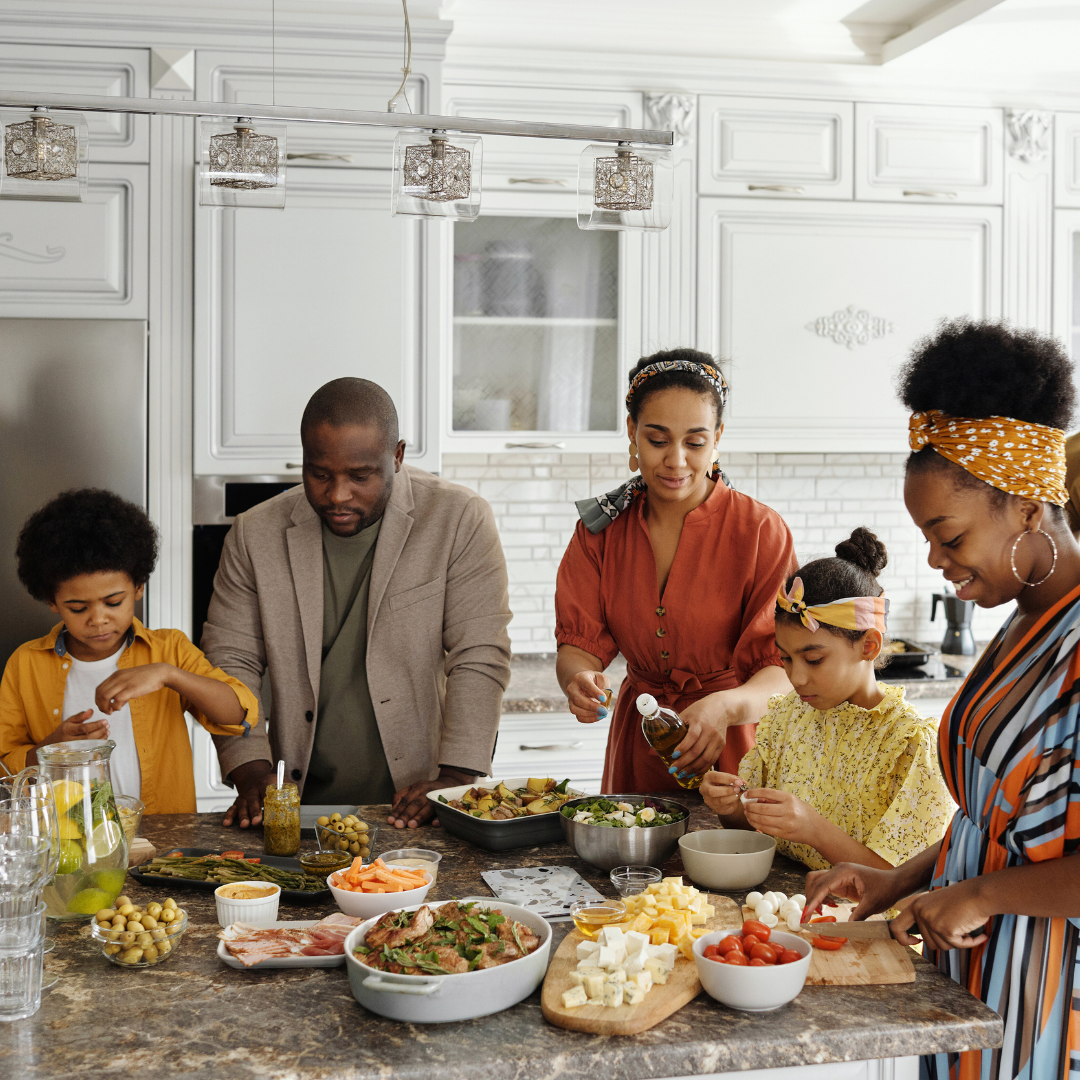
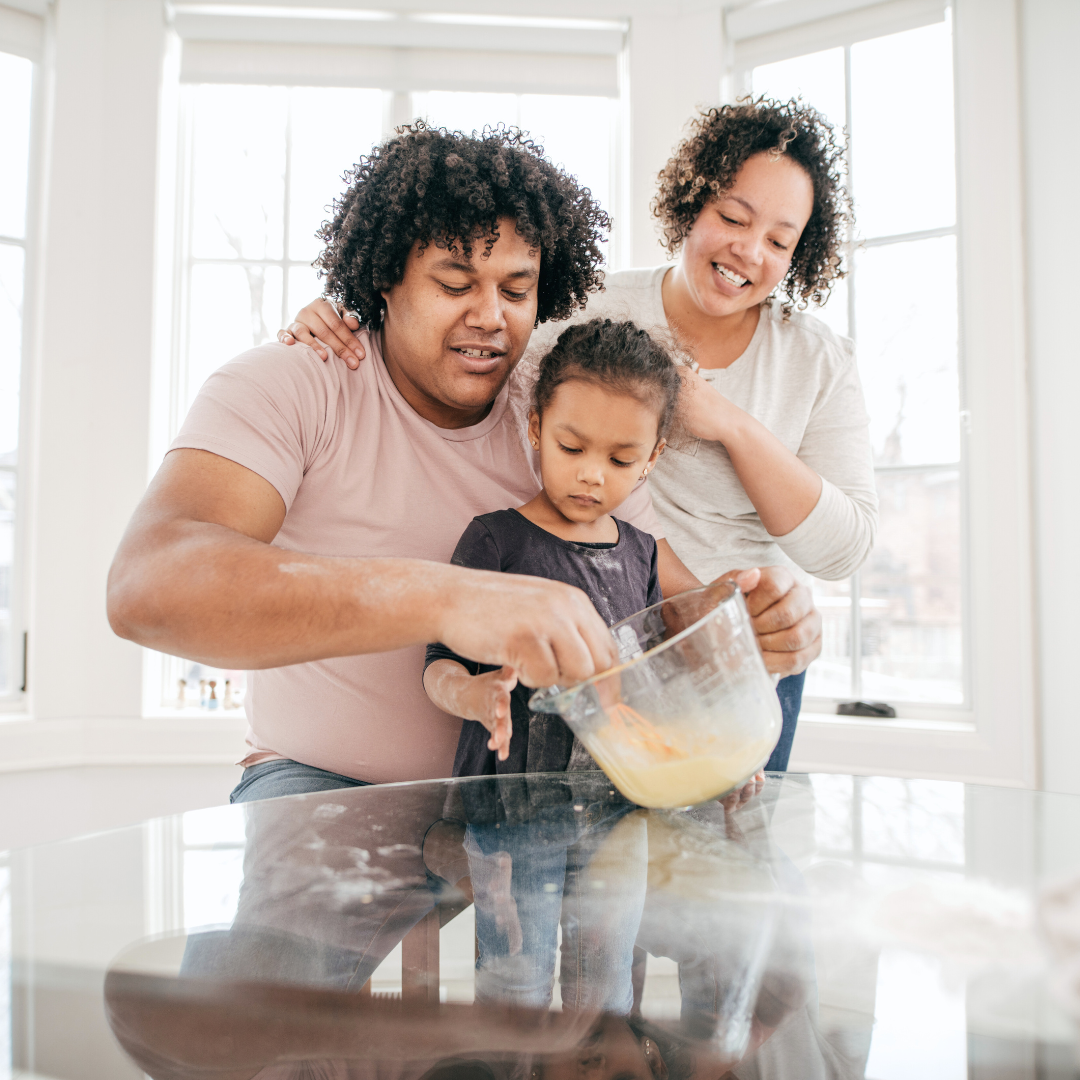
Cooking together creates a shared social activity that encourages communication and cooperation. It allows individuals to engage in a purposeful task, which can reduce feelings of isolation. Group cooking often leads to laughter, dialogue, and non-verbal bonding, all of which strengthen social bonds.
This form of social interaction promotes a sense of belonging and community. It offers structure and routine, which are beneficial for emotional regulation. People frequently report higher satisfaction and reduced stress levels after cooking with others, highlighting the social advantages.
Strengthening Relationships and Support Systems
Participating in cooking with friends or family provides opportunities to nurture existing relationships. Preparing food together involves collaboration and creates positive shared memories, reinforcing emotional connections. It also fosters trust and empathy through the act of caring and cooperation.
As relationships strengthen, individuals build reliable support systems. These systems are crucial for managing stress and navigating difficult times. The consistent social contact involved in cooking together helps maintain these support networks over time, contributing to overall emotional health.
Long-Term Impacts on Mental Health and Depression
Regular involvement in cooking activities can have lasting effects on mental health. The combination of social engagement and creative focus distracts from negative thoughts and reduces the risk of depression. Cooking provides a sense of achievement and control, which is beneficial for emotional resilience.
Research shows that communal cooking is linked to lower levels of stress hormones and improved mood. It also encourages healthier eating habits, impacting mental and physical health positively. Over time, these effects contribute to better emotional balance and reduced symptoms of depression.