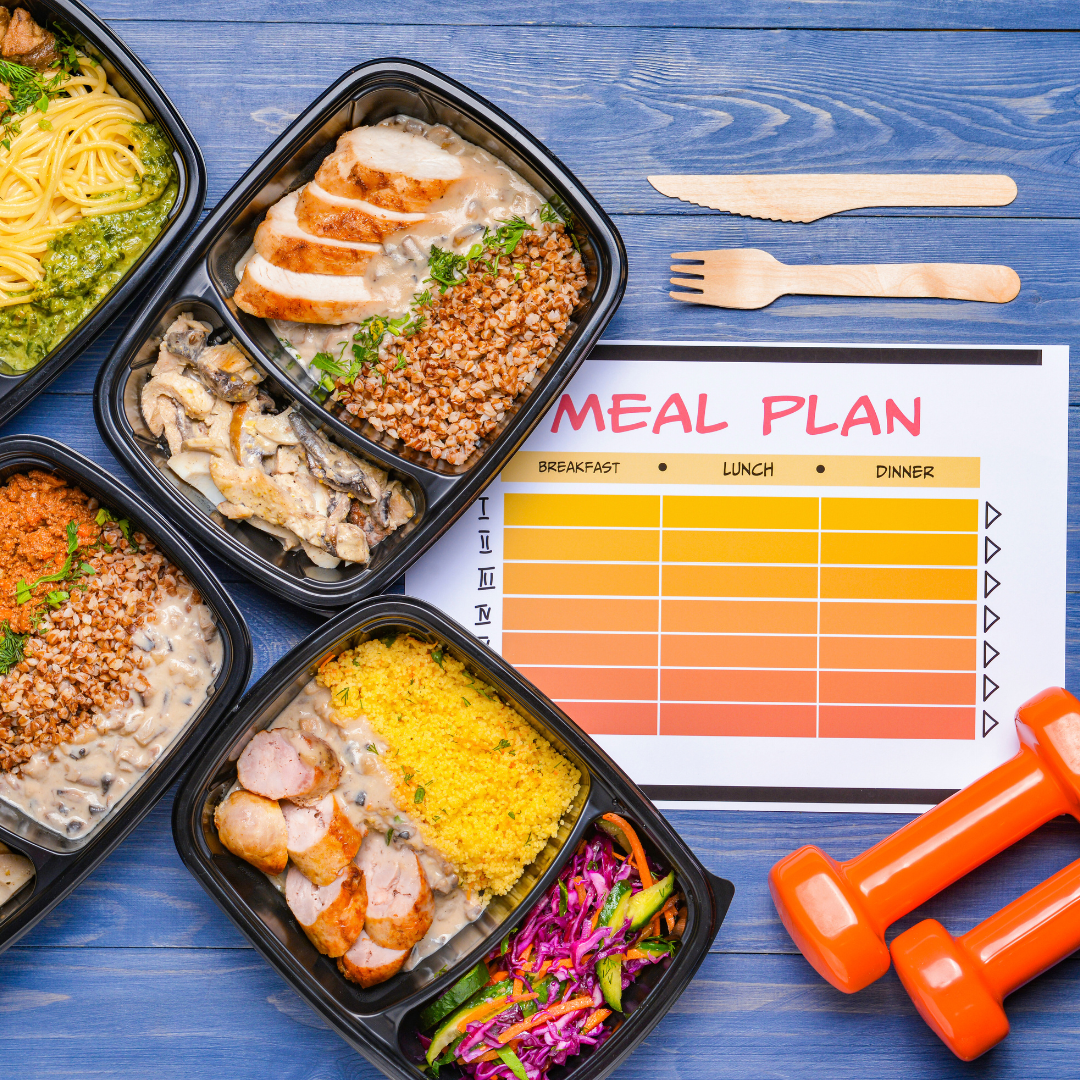
Meal planning can be a simple strategy to save time and reduce stress in busy daily routines. By organising meals ahead, fewer decisions need to be made each day, freeing mental energy for other tasks. Effective meal planning involves choosing recipes that share ingredients, preparing components in advance, and setting a realistic schedule.
This approach also helps avoid last-minute food choices that often lead to unnecessary stress or unhealthy options. Knowing what to cook and when creates consistency and makes grocery shopping more efficient.
People who plan meals typically spend less time in the kitchen and experience fewer moments of frustration around mealtimes. Meal planning provides structure and convenience, making daily life smoother without adding complexity.
Core Principles of Meal Planning for Saving Time and Reducing Stress
Effective meal planning relies on understanding its practical benefits, defining specific objectives, and using appropriate tools. These elements work together to create a streamlined process that minimises decision fatigue and maximises time saved.
Understanding the Benefits of Meal Planning
Meal planning reduces daily stress by eliminating last-minute meal decisions. It allows for organised grocery shopping, which prevents repeated trips and limits impulse buying.
By planning meals ahead, it becomes easier to balance nutrition and portion sizes. This reduces food waste, saving money and contributing to a more sustainable lifestyle.
In addition, meal planning helps establish routines, making cooking times predictable and manageable. This predictability works to reduce the feeling of being overwhelmed during busy days.
Setting Clear Meal Planning Goals
Setting precise goals is essential for effective meal planning. These might include saving time during weekdays, improving family nutrition, or reducing food waste.
Goals guide the selection of recipes and shopping lists. For example, to save time, one might prioritise batch cooking or quick recipes.
Clear goals also help measure success and adjust the meal plan over time. Without them, the process can become unfocused, leading to unnecessary stress instead of reduction.
Choosing the Right Meal Planner or Tools
Selecting an appropriate meal planner tool can enhance the meal planning process. Options range from simple paper planners to digital apps that offer recipe storage and automatic shopping lists.
A good meal planner should match the user’s lifestyle, such as syncing with calendars or allowing sharing among family members.
Utilising tools that track pantry inventory and suggest meals based on available ingredients can further save time. This reduces food waste and planning effort.
Steps to Create an Effective Weekly Meal Plan
Creating a weekly meal plan involves understanding your time constraints, checking current ingredients, and constructing balanced meals that fit your routine. Planning with clear steps ensures efficiency and helps avoid last-minute decisions or excess waste.
Assess Your Schedule and Set Realistic Expectations
Start by reviewing the upcoming week’s commitments, such as work hours, social events, and family activities. Be honest about the time available for cooking. On busy days, plan quick or make-ahead meals, while reserving more involved recipes for free evenings.
He or she should set clear, achievable goals for meal preparation. For example, aiming to cook dinner five times a week instead of every day can reduce stress. Including leftovers or simple breakfasts and lunches saves time and energy throughout the week.
Taking Inventory of Ingredients and Minimising Food Waste
Before planning meals, take stock of existing pantry, fridge, and freezer items. Note expiry dates to prioritise the use of items that need to be consumed soon. This practice helps reduce food waste and can inspire meal ideas based on available ingredients.
Creating a detailed grocery list after inventory ensures only necessary items are purchased. It prevents impulse buying and further unnecessary waste. He or she should organise the list by food groups or store sections to save time during shopping.
Building a Simple and Balanced Weekly Meal Plan
The weekly meal plan should include proteins, vegetables, carbohydrates, and healthy fats. Variety is key, but simplicity avoids overwhelm. For example, pairing roasted chicken with steamed vegetables and rice covers all food groups in a straightforward way.
Meal ideas should consider flexibility, like versatile sauces or ingredients usable in multiple dishes. Creating themed nights, such as pasta on Tuesdays or stir-fry on Thursdays, can streamline decisions. The plan must be written down clearly, possibly in a table format, to guide cooking and shopping effectively.
Practical Meal Prep Strategies for Busy Lifestyles
Effective meal prep focuses on saving time and stress by organising cooking tasks smartly. This includes batch cooking, repurposing leftovers, selecting quick, healthy recipes, and establishing a routine for smooth meal planning.
Batch Cooking and Storage Techniques
Batch cooking involves preparing large quantities of meals or components in one session. It saves time on busy days and reduces daily cooking stress.
Focus on meals that freeze well, such as stews, casseroles, and cooked grains. Use airtight containers or freezer bags to maintain freshness and prevent freezer burn. Label each container with the dish name and date for easy identification.
Divide meals into portion-sized servings to avoid reheating more than needed. Thaw meals in the fridge overnight rather than at room temperature to ensure food safety.
Using Leftovers Creatively
Leftovers are valuable for reducing waste and easing meal prep. Transform cooked proteins or vegetables into new dishes like stir-fries, wraps, or salads.
For example, roast chicken can be shredded for sandwiches or added to soups. Cooked rice or pasta can be mixed with fresh ingredients for a quick side or main meal.
Keep a list of go-to leftover recipes. Using leftovers promptly, ideally within 2-3 days, ensures freshness and prevents food spoilage.
Making the Most of Quick and Healthy Recipes
Quick meals reduce prep time without sacrificing nutrition. Choose recipes that take 30 minutes or less and rely on simple, whole ingredients.
Examples include one-pan dishes, sheet pan meals, or salads with pre-cooked proteins. Keep staple ingredients like canned beans, frozen vegetables, and pre-washed greens on hand.
Batch preparing sauces, dressings, or marinades can add flavour quickly. This approach fits well with meal prepping by allowing fast assembly at mealtimes.
Organising Your Meal Prep Routine
A consistent routine makes meal prepping manageable. Choose a specific day and time each week for planning, shopping, and cooking.
Create a meal plan based on upcoming schedules and ingredient availability. Use a checklist for groceries and prep tasks to stay organised.
Set aside time to clean and label storage containers after use. Keeping the kitchen tidy minimises stress and speeds up meal prep overall.
Maintaining Healthy Eating Habits and Maximising Savings
A practical approach balances nutrition with budget. Planning meals around whole foods, seasonal produce, and bulk buying helps maintain health while reducing costs. Flexibility in meal choices ensures variety and minimises food waste.
Promoting Consistent Healthy Eating Habits
Consistency begins with setting realistic goals, such as incorporating vegetables into every meal. Preparing balanced plates with lean proteins, whole grains, and fresh produce supports nutrient intake.
Using simple recipes and batch cooking encourages sticking to healthy options. Keeping healthy snacks like nuts and fruit accessible discourages impulsive, unhealthy choices.
Hydration and portion control are also essential. Drinking water regularly and monitoring meal sizes prevent overeating without adding complexity.
Saving Money Through Smarter Shopping
Shopping with a list based on weekly meal plans limits impulse purchases. Prioritising store brands and buying in bulk for staples lowers overall costs.
Seasonal fruits and vegetables are cheaper and fresher. Frozen alternatives offer nutrient retention and convenience.
Using loyalty cards, coupons, and checking for discounts adds savings. Comparing unit prices helps identify the best deals on similar items.
Adapting Meal Planning for Flexibility and Variety
Allowing room for changes in plans prevents unnecessary stress and waste. Keeping pantry staples ready facilitates quick, healthy meals on busy days.
Rotating recipes weekly avoids repetition and maintains interest. Trying new foods seasonally introduces nutrients without extra expense.
Flexible meal planning can include leftovers creatively, such as turning roast vegetables into soups or salads. This reduces waste and saves money.