
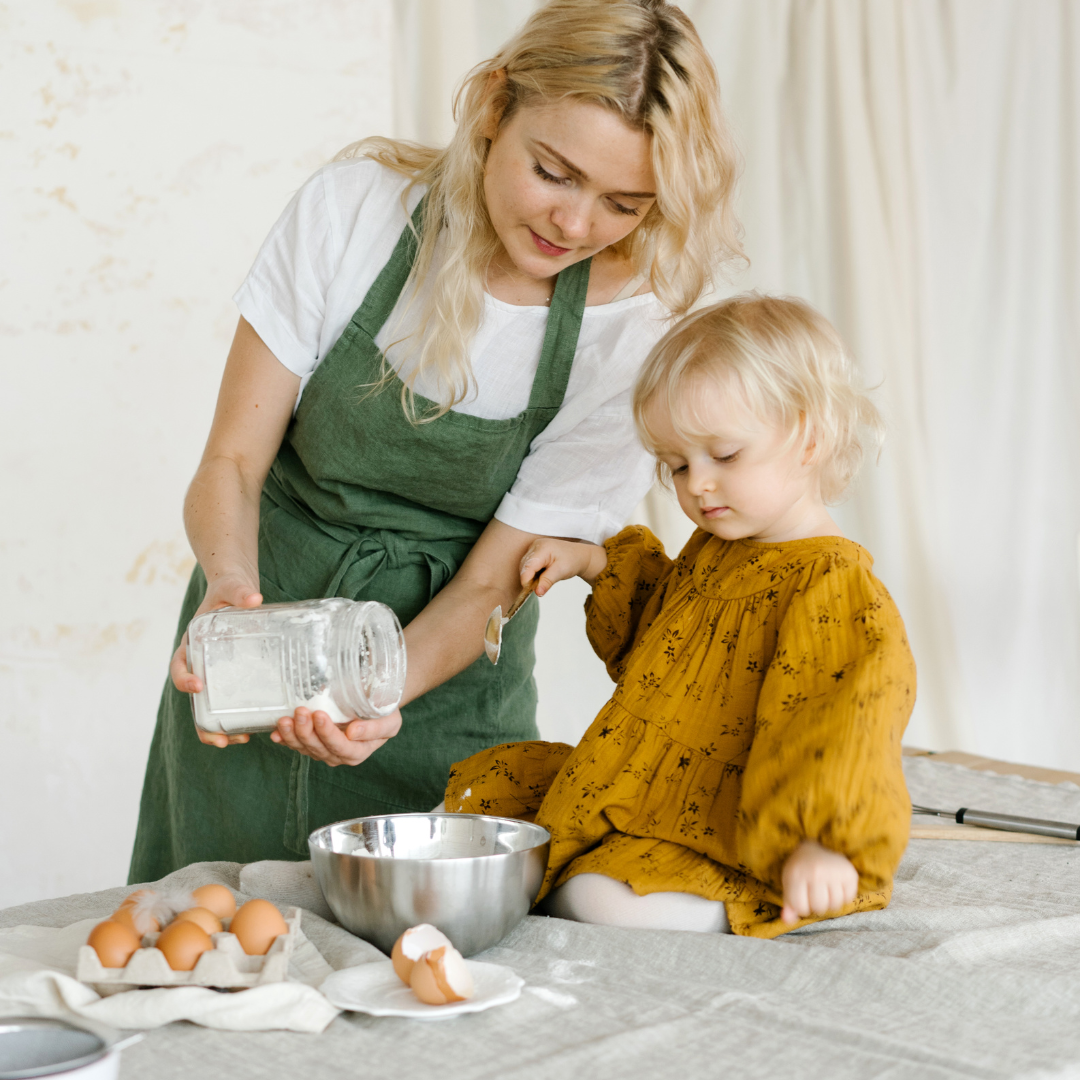
Getting kids involved in cooking can be a rewarding experience, but safety is essential. The best way to include children safely is by setting clear boundaries, using age-appropriate tasks, and supervising closely. This ensures they learn valuable skills without unnecessary risks.
Children can help with simple, safe tasks like washing vegetables or stirring, while sharper tools and hot surfaces should be handled by adults or older children. Creating a safe environment encourages confidence and enjoyment in the kitchen.
Encouraging good hygiene, teaching about hazards, and keeping the workspace organised also play key roles. This approach keeps cooking educational and safe for young helpers.
Fundamentals of Safe Cooking with Children
Cooking with children requires clear boundaries, age-appropriate involvement, and constant supervision. These elements help prevent accidents and teach good habits from the start.
Establishing Kitchen Rules
Setting clear kitchen rules is essential to maintaining safety. Children should understand that hot surfaces, knives, and electrical appliances are not to be touched without permission.
Rules might include:
- No running or horseplay in the kitchen.
- Always wash your hands before handling food.
- Use oven mitts when handling hot pots or trays.
Visual reminders such as posters or simple charts can help reinforce these rules. Consistent enforcement teaches children respect for the kitchen environment and reduces risky behaviour.
Understanding Age-Appropriate Tasks
Tasks must align with the child’s developmental level to keep them safe and engaged. Younger children (3-5 years) can help with washing vegetables, stirring mixtures, or setting tables.
Children aged 6-9 can handle cutting soft foods with plastic knives, measuring ingredients, and peeling fruits. Older children (10+) can safely use sharper knives, operate the stove with guidance, and follow more complex recipes.
Assigning tasks suited to their abilities builds confidence and keeps children from encountering hazards they are not ready to manage.
Supervision and Guidance
Active adult supervision is critical whenever children are in the kitchen. Adults should remain within arm’s reach, especially during tasks involving knives or heat.
Clear instructions must accompany every task. Children respond best to step-by-step guidance paired with demonstrations. Correct any unsafe behaviour immediately.
Encouraging questions and explaining why certain actions are dangerous helps children develop better judgment over time. Supervision should never be intermittent or distracted.
Practical Steps to Get Kids Involved in Cooking Safely
Introducing children to cooking safely requires starting with manageable tasks, sharing responsibilities as a family, and gradually encouraging independence. Each phase builds skills and confidence while maintaining safety.
Simple Tasks to Start With
Begin with age-appropriate tasks that pose minimal risk. Children can wash vegetables, stir ingredients, or arrange items on a plate. These activities develop basic motor skills and familiarity with kitchen tools without involving heat or sharp objects.
Use unbreakable bowls and child-safe knives if cutting is involved. Emphasise washing hands before handling food. Always supervise closely during these initial activities to prevent accidents.
Create a routine where children feel involved from the start, such as measuring ingredients or tearing lettuce leaves. These simple tasks keep them engaged and create a positive experience around food preparation.
Cooking Together as a Family
Cooking together allows children to observe safe practices in action. Parents or guardians should model proper handling of hot surfaces and sharp utensils, explaining each step clearly.
Assign specific roles based on age and ability. For example, younger children can assist in mixing or setting timers, while older ones may help with chopping under supervision. Clear communication reduces confusion and enhances safety.
Use this time to teach safety rules explicitly, such as using oven mitts or waiting for hot pans to cool. Turn cooking into a shared activity that combines learning with quality family interaction.
Progressing to Independent Skills
As children gain experience, encourage them to take on more responsibility. Teach how to use appliances like toasters or microwaves safely and how to recognise hazards such as steam or hot liquids.
Introduce simple recipes that they can prepare with minimal assistance. Provide clear, step-by-step instructions in written or visual form to support understanding.
Regularly review safety guidelines together and praise careful behaviour. This approach fosters confidence and independence while ensuring children remain aware of the risks in the kitchen.
Fostering Healthy Habits and Confidence
Introducing children to cooking involves teaching them to make nutritious choices while building their self-assurance in the kitchen. Consistent practice and positive experiences help develop lifelong healthy eating habits and an enjoyment of cooking.
Encouraging Healthy Eating Choices
When cooking with children, adults should emphasise using fresh, whole ingredients like vegetables, fruits, lean proteins, and whole grains. Explaining the benefits of these foods helps children understand why they matter.
Adults can guide children in selecting recipes that are both tasty and nutritious. For example, swapping processed snacks for homemade fruit yoghurt or vegetable sticks paired with dips encourages better choices.
Adults should also model balanced portions and avoid overloading plates, reinforcing the importance of moderation. Using cooking together as an opportunity to discuss food origins and nutrition creates lasting interest in healthy eating habits.
Building Confidence Through Participation
Allowing children to take part in age-appropriate tasks increases their confidence in cooking. Simple roles like washing vegetables, mixing ingredients, or setting the table give them a sense of responsibility.
Offering praise for effort rather than perfection helps children feel valued and willing to try new skills. Repetition is key—frequent cooking sessions boost competence and reduce hesitation.
Safety instructions must be clear and consistent. Teaching proper handling of utensils and hot items ensures children feel secure and can focus on their tasks without fear.
Making Cooking an Enjoyable Routine
Creating a regular cooking schedule with children turns food preparation into a positive habit. Setting a specific time each week makes cooking predictable and something to look forward to.
Involving children in planning meals gives them ownership and increases enthusiasm. Simple, family-friendly recipes reduce complexity and keep activities fun.
Variety is important; rotating different healthy ingredients prevents boredom. Adding playful elements, such as themed nights or decorating dishes, makes cooking creative and engaging.
Creative and Educational Kitchen Activities
Engaging children in cooking can be an opportunity to develop practical skills, encourage creativity, and reinforce learning. Incorporating specific activities can make cooking both fun and informative, supporting their education and imagination.
Teaching Maths and Science Through Cooking
Cooking offers practical ways to teach measurements, fractions, and temperatures. Children can learn to measure ingredients using spoons or cups, comparing quantities and converting units. This hands-on experience helps solidify math concepts like addition, subtraction, and division.
Science is also involved when children observe chemical reactions, such as dough rising or eggs cooking. Explaining why heat changes the texture or colour of food helps children connect what they see to scientific principles. Measuring time while cooking teaches patience and time management.
Creative Food Presentation
Encouraging children to arrange food requires them to think about colours, shapes, and textures. They can use cookie cutters for fun shapes or create faces and scenes with fruit and vegetables. This activity boosts fine motor skills and eye-hand coordination.
Presenting food attractively can make them more interested in eating what they have prepared. It also promotes an understanding of balance and portion size by using different components creatively on a plate.
Celebrating Special Occasions Together
Cooking for birthdays, holidays, or family events teaches children planning and teamwork. They learn to follow recipes that fit specific themes, decorations, or dietary needs. This helps build responsibility and real-world decision-making skills.
Sharing in these celebrations enhances family bonds and gives children a sense of accomplishment. It is also an opportunity to explore cultural traditions and recipes, broadening their awareness of different cuisines.


