
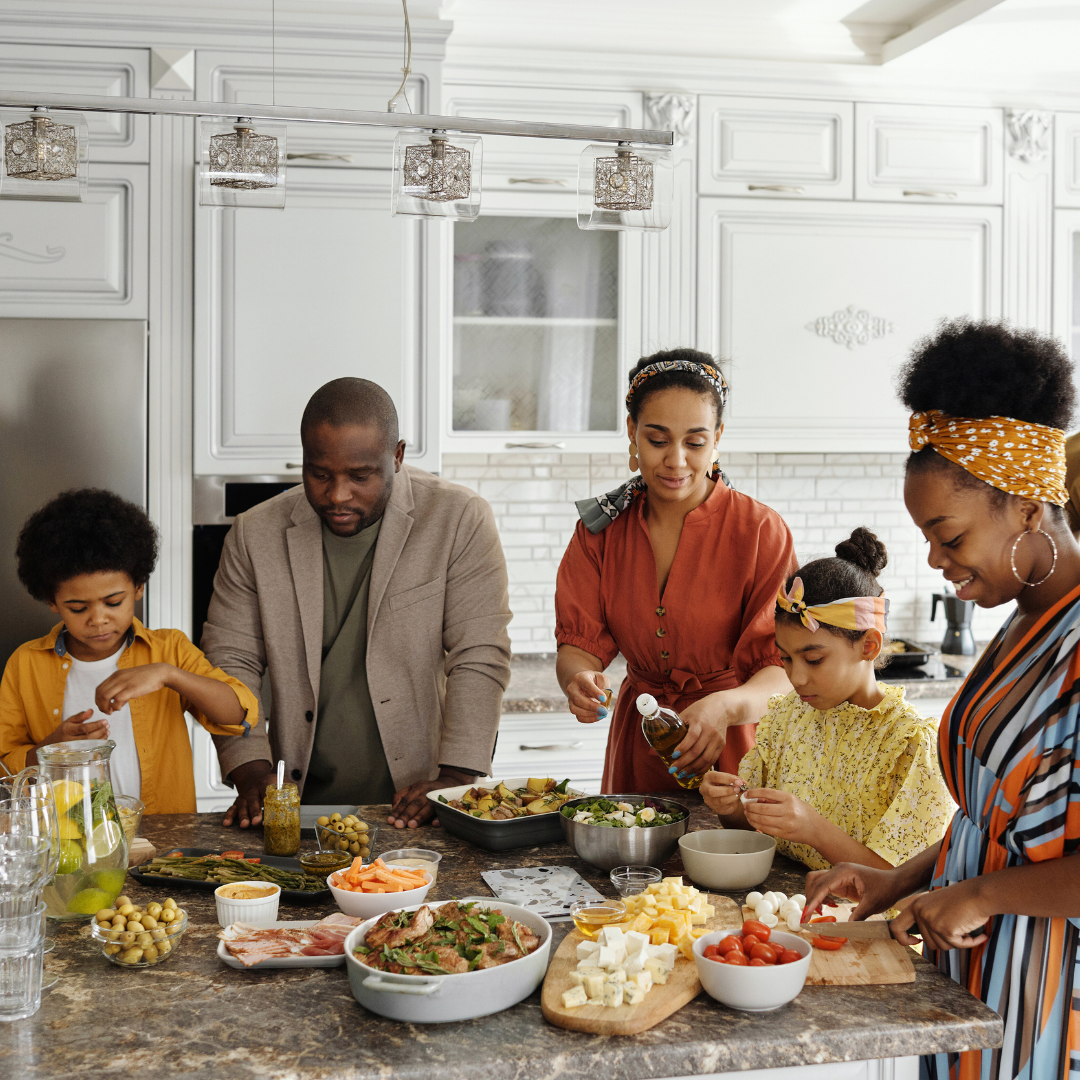
Rituals in the kitchen offer a simple yet effective way to manage anxiety. The repetitive actions involved in cooking—chopping, stirring, measuring—create a calming focus that helps redirect the mind from stress.
Engaging in these routines provides structure and mindfulness, which can significantly reduce feelings of anxiety. The kitchen becomes a space where attention is grounded in the present moment, fostering a sense of control and calm.
Beyond the practical, these rituals also offer a sensory experience that soothes the nervous system. The smells, textures, and sounds involved in preparing food contribute to a mindful practice that can ease anxious thoughts.
Understanding Rituals in the Kitchen: Foundations for Reducing Anxiety
Rituals performed in the kitchen can provide structure and calm, creating a mindful space that supports mental well-being. These practices go beyond mere habits, offering a deliberate focus that influences emotional states.
The Difference Between Rituals and Routines
Routines are repetitive actions done out of habit, often automatic and practical. Rituals, by contrast, carry intentional meaning and attention, transforming the activity into a purposeful practice.
For example, washing vegetables mindfully while appreciating their texture can shift a simple task into a ritual. This conscious engagement separates rituals from routines, making them more effective for reducing anxiety.
The Science Behind Rituals and Mental Health
Research indicates that rituals help regulate emotions by providing predictability and control. This predictability reduces cortisol levels and calms the nervous system.
Rituals also enhance focus, diverting attention from anxious thoughts. Brain imaging studies show increased activity in areas linked to emotional regulation during ritualistic activities. These effects contribute to a decrease in stress and anxiety symptoms.
Common Kitchen Rituals for Calm
Common kitchen rituals include methodical chopping, measured stirring, and mindful tasting. Each action invites presence and slows the mind.
Other examples include organising ingredients before cooking or arranging plates with care. These rituals encourage sensory engagement, which helps anchor awareness in the present moment and promotes relaxation.
Mindful Practices in the Kitchen to Ease Anxiety
Engaging with specific routines in the kitchen can help manage anxious thoughts. Focusing attention on sensory details, establishing calming practices, and reflecting on experiences are effective ways to lower tension.
Mindful Cooking and Sensory Awareness
Mindful cooking requires full attention to each step, such as chopping vegetables, stirring sauces, or measuring ingredients. This encourages awareness of smells, textures, colours, and sounds, which centres the mind on the present.
By noticing the rhythmic motion of chopping or the scent of herbs, individuals anchor themselves in the moment. This sensory focus reduces rumination and distracts from anxious feelings.
Practising slow, deliberate movements when preparing food helps slow the breath and heart rate. It shifts attention away from worries towards a calm, tangible task.
Incorporating Tea-Making as a Therapeutic Ritual
Preparing tea can be a simple, structured ritual that promotes relaxation. The repetitive actions of boiling water, steeping leaves, and waiting for the brew create a natural pause in the day.
Choosing different teas for their calming or uplifting qualities, such as chamomile or green tea, adds intentionality to the process. This ritual fosters a mindful break to breathe and reset.
Handling the warmth of the teacup and savouring the aroma strengthens sensory engagement. It helps ease anxiety by encouraging slow, mindful sipping and quiet reflection.
Creating a Calming Atmosphere with Music and Aromas
Playing gentle music while cooking can soothe the nervous system. Ambient or instrumental tracks are preferable as they minimise distraction and support relaxation.
Adding natural aromas, such as fresh herbs, citrus peels, or essential oils, enhances the environment. These scents trigger positive sensory responses that help reduce stress.
A combination of subdued lighting, calming sounds, and pleasant smells sets a peaceful mood. This carefully curated atmosphere promotes comfort and lowers anxiety during kitchen tasks.
Journaling and Reflection During Kitchen Time
Keeping a small journal nearby allows for brief pauses to note thoughts or feelings. Writing down worries or gratitudes during or after kitchen tasks increases awareness and emotional processing.
Reflection deepens the mindful experience by connecting actions with internal states. It helps identify triggers and track improvements in anxiety over time.
Journaling complements physical rituals, providing an outlet for expression. It turns kitchen time into a holistic practice that supports mental well-being.
Building Healthy Habits and Routines for Lasting Anxiety Reduction
Establishing consistent practices in the kitchen can provide structure and calm. By integrating mindful activities and nourishment, individuals create a solid foundation for managing anxiety over time.
Healthy Eating Choices and Emotional Well-being
The foods people consume can significantly impact their mental state. Choosing nutrient-dense options like leafy greens, nuts, and whole grains supports stable blood sugar levels, reducing mood swings and irritability.
Hydrating sufficiently also plays a role. Dehydration can worsen feelings of anxiety or stress.
Preparing meals at home encourages control over ingredients and portion sizes, fostering a sense of empowerment. Avoiding excessive caffeine and sugar helps prevent sudden energy crashes that may intensify anxious feelings. Prioritising balanced meals with protein, fibre, and healthy fats promotes sustained emotional wellbeing.
Guided Meditation and Breathing Exercises
Integrating guided meditation into kitchen routines centres attention and calms the nervous system. Using apps or recordings during meal preparation or before eating can cultivate mindfulness.
Breathing exercises like box breathing or diaphragmatic breathing reduce physical symptoms of anxiety. Short sessions, even 3 to 5 minutes, can lower heart rate and encourage relaxation.
Positioning guided meditation practices around kitchen activities links the calm state to daily life. This increases the likelihood of maintaining the habit. Over time, these exercises help reframe reactions to stress and strengthen emotional resilience.
Morning and Evening Kitchen Routines
Structured morning rituals, such as making a warm drink or preparing breakfast mindfully, set a calm tone for the day. This approach decreases morning anxiety by promoting intentional focus rather than rushing.
Evening kitchen routines, like tidying countertops or brewing herbal tea, signal a transition to rest. These simple acts create a predictable environment that fosters relaxation.
Consistency in these routines reinforces a sense of control and reduces cognitive overload. Keeping these rituals brief and manageable prevents them from becoming additional stressors.
Fresh Air, Light, and Nature-Inspired Rituals
Opening windows while cooking or eating lets in fresh air and natural light, which have been shown to improve mood and reduce anxiety.
Incorporating plants or natural elements in the kitchen creates a soothing atmosphere. The presence of greenery can reduce cortisol levels and increase feelings of calm.
Spending even a few minutes near open windows or stepping outside briefly before or after meals amplifies the benefits. Exposure to natural light regulates circadian rhythms, supporting better sleep and emotional balance.
Expanding Kitchen Rituals: Stretching, Power Naps, and Beyond
Adding gentle physical activity and rest to kitchen routines can deepen the calming effects of rituals. These practices help manage tension physically and mentally, enhancing overall well-being during busy or stressful days.
Incorporating Gentle Stretching into Daily Kitchen Rituals
Stretching can be seamlessly integrated into kitchen activities like waiting for water to boil or chopping vegetables. Simple movements such as neck circles, shoulder rolls, and calf stretches relieve muscle tightness caused by standing or repetitive motions.
These stretches improve circulation and reduce stiffness, which can lower physical discomfort and stress. Setting reminders or linking stretches to specific cooking stages creates consistency and reinforces the ritual’s calming benefits.
Power Nap Preparation and Post-Meal Relaxation
Preparing for a power nap involves creating a quiet, comfortable space shortly after a meal, ideally in a dimly lit area. Brief naps of 10-20 minutes boost alertness and reduce anxiety without interfering with nighttime sleep.
Post-meal rests allow the body to digest while providing a mental pause. Establishing this as part of the kitchen routine ensures the nap feels intentional, not rushed, supporting recovery and stress reduction.
Evolving Rituals for Personal and Family Wellbeing
Kitchen rituals can expand beyond individual calming techniques to include family participation. Shared tasks like setting the table mindfully or enjoying a brief stretch together foster connection and collective relaxation.
Adapting rituals over time keeps them relevant as needs change. This might include adding brief meditation, light movement, or relaxation breaks, all tailored to strengthen emotional resilience within the household.


