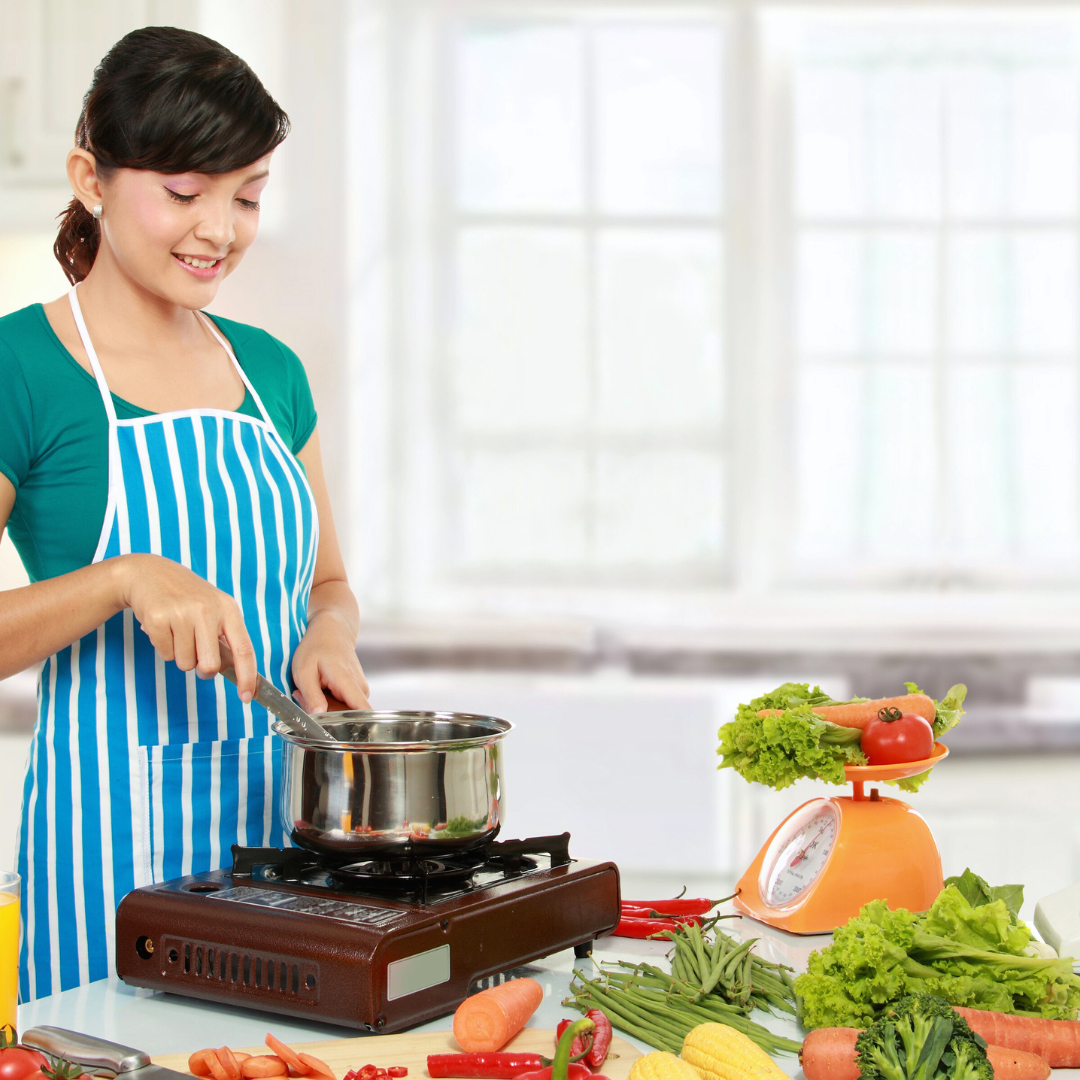
Creating a peaceful cooking environment starts with organisation and simplicity. Clear workspaces, minimal distractions, and a calm mindset help make cooking more enjoyable and less stressful.
A peaceful cooking environment is achieved by maintaining a clean kitchen, reducing clutter, setting a comfortable atmosphere, and preparing mentally for the task ahead. Small changes like soft lighting or soothing background music can also improve the experience.
When these elements come together, cooking becomes a calm, focused activity rather than a rushed chore. This approach encourages creativity and mindfulness in the kitchen.
Fundamental Principles of a Peaceful Cooking Environment
Creating calm in the kitchen involves organising the space, selecting soothing elements, and fostering mindful habits. These factors help reduce stress and improve both the process and the outcome of cooking.
Defining a Peaceful Cooking Space
A peaceful cooking environment is one that minimises clutter and distractions. Clear surfaces and well-organised tools allow for smooth movement and fewer obstacles.
Lighting plays a major role. Soft, natural light or warm artificial lighting reduces harsh shadows and creates a calming atmosphere.
Colours also affect mood. Neutral and pastel tones are preferable as they evoke calmness, unlike bright, intense colours, which may cause agitation.
Noise control is important. Using quieter appliances or playing gentle background music can help maintain a serene ambience.
Benefits of Peaceful Cooking
Cooking in a peaceful space lowers anxiety levels and improves focus. This leads to better attention to detail, reducing mistakes and improving food quality.
It also makes the cooking experience more enjoyable. Relaxed cooking can foster creativity and patience, encouraging experimentation with new recipes.
Moreover, a calm environment supports healthier habits. When stress is low, cooks are less likely to rush or skip steps, promoting safer cooking practices and better nutritional choices.
Optimising Kitchen Organisation for Calmness
A calm kitchen depends on clear organisation and purposeful layout. Thoughtful tidying, practical storage, and defined work areas reduce stress and improve efficiency during meal preparation.
Decluttering and Tidying Strategies
Removing unnecessary items from surfaces and cupboards is essential to creating a calm kitchen. He or she should start by sorting utensils, appliances, and ingredients, keeping only those used frequently.
Daily wiping of counters prevents the build-up of crumbs and spills. Keeping cleaning materials handy encourages quick tidy-ups.
A simple rule is to return items immediately after use. This stops clutter from accumulating and maintains an organised kitchen.
Effective Storage Solutions
Using storage designed for accessibility enhances a calm environment. Pull-out shelves in lower cabinets allow easy retrieval without bending or moving too much.
Wall-mounted cabinets free up counter space and keep items visible but out of the way. Clear containers label ingredients clearly and reduce the time spent searching.
Stackable containers and drawer dividers help categorise utensils and tools. This optimises the kitchen layout and supports a smooth meal preparation process.
Zones for Meal Preparation
Assigning distinct zones for chopping, cooking, and plating helps streamline tasks. The chopping area should be near a sink for easy washing of vegetables.
Cooking tools and ingredients need to be close to the stove. Plates and serving dishes belong near the plating zone.
Clear separation reduces movement and distractions, promoting a focused and calm atmosphere during meal preparation.
Design Elements for a Soothing Kitchen Atmosphere
Creating a kitchen environment that feels calm and inviting depends heavily on thoughtful design choices. Key factors include effective use of natural light, the selection of materials that evoke nature, and window treatments that filter light softly.
Utilising Natural Light and Skylights
Natural light greatly influences the room’s mood and functionality. Installing large windows or skylights allows maximum daylight to flood the kitchen, reducing reliance on artificial lighting. Skylights in particular bring even, overhead light that enhances visibility without harsh shadows.
Light from these sources highlights surfaces such as stone countertops, showcasing their natural texture and colour. Positioning work areas near windows optimises both light and ventilation. Careful orientation ensures sunlight enters without causing glare, maintaining comfort throughout the day.
Incorporating Natural Materials and Finishes
Natural materials add a tactile dimension to kitchen design that promotes calmness. Stone countertops provide durability and a cool, smooth surface that is visually grounding. Wood cabinetry or shelving introduces warmth and organic texture.
Finishes should be matte or lightly polished to avoid reflecting excessive light, which can become distracting. Using stone, wood, and other natural materials together creates a balanced aesthetic that connects the interior to the outdoors.
Softening with Sheer Curtains
Sheer curtains gently filter incoming sunlight, softening its intensity without darkening the space. Their lightweight fabric adds movement and a subtle layer of privacy while preserving views to the outside.
Choosing light, neutral colours for curtains helps maintain a bright and airy atmosphere. Sheer curtains also reduce glare on glossy surfaces and screens, enhancing comfort during meal prep or dining.
Mindful Cooking Techniques and Positive Habits
Creating a calm atmosphere in the kitchen relies on intentional actions and consistent habits. Focusing on sensory awareness, personal choice, and environment can improve the cooking experience significantly.
Mindful Cooking Practices
Mindful cooking involves paying close attention to each step, reducing distractions such as phones or TV. Chefs can engage all their senses—smelling spices, listening to sizzling, and noticing textures—to stay present.
Breaking tasks into smaller steps helps avoid feeling overwhelmed during meal prep. Taking slow, deliberate movements when chopping or stirring encourages a peaceful mindset. Pausing to breathe deeply before beginning can also reduce stress.
Using clear, simple recipes supports focus and makes it easier to follow the process calmly. Mindful cooking helps turn meal preparation into a form of meditation, enhancing enjoyment and reducing anxiety.
Personalising the Cooking Experience
Customising the kitchen routine to suit personal preferences fosters comfort and ease. Choosing favourite ingredients or seasonings that bring satisfaction can improve motivation and make cooking more enjoyable.
Setting realistic goals for each meal, such as preparing a simple dish or dedicating time to trying new techniques, encourages steady progress without pressure. Keeping the workspace organised and tools within reach supports efficiency.
Adding personal touches, like using heirloom cookware or playing preferred background music at a gentle volume, can transform the kitchen into a space that feels uniquely inviting and manageable.
Creating an Uplifting Ambience
The physical environment greatly influences peaceful cooking. Natural light, fresh air from an open window, and minimal clutter contribute to a soothing atmosphere.
Using soft colours, plants, or subtle scents such as lavender or citrus can elevate the mood. Adjustable lighting, like dimmable lamps or candlelight during evening cooking, also creates warmth and calm.
Maintaining a clean kitchen after each cooking session prevents stress the next time meal prep begins. This consistent upkeep reinforces a sense of order and tranquillity essential for a peaceful cooking environment.