
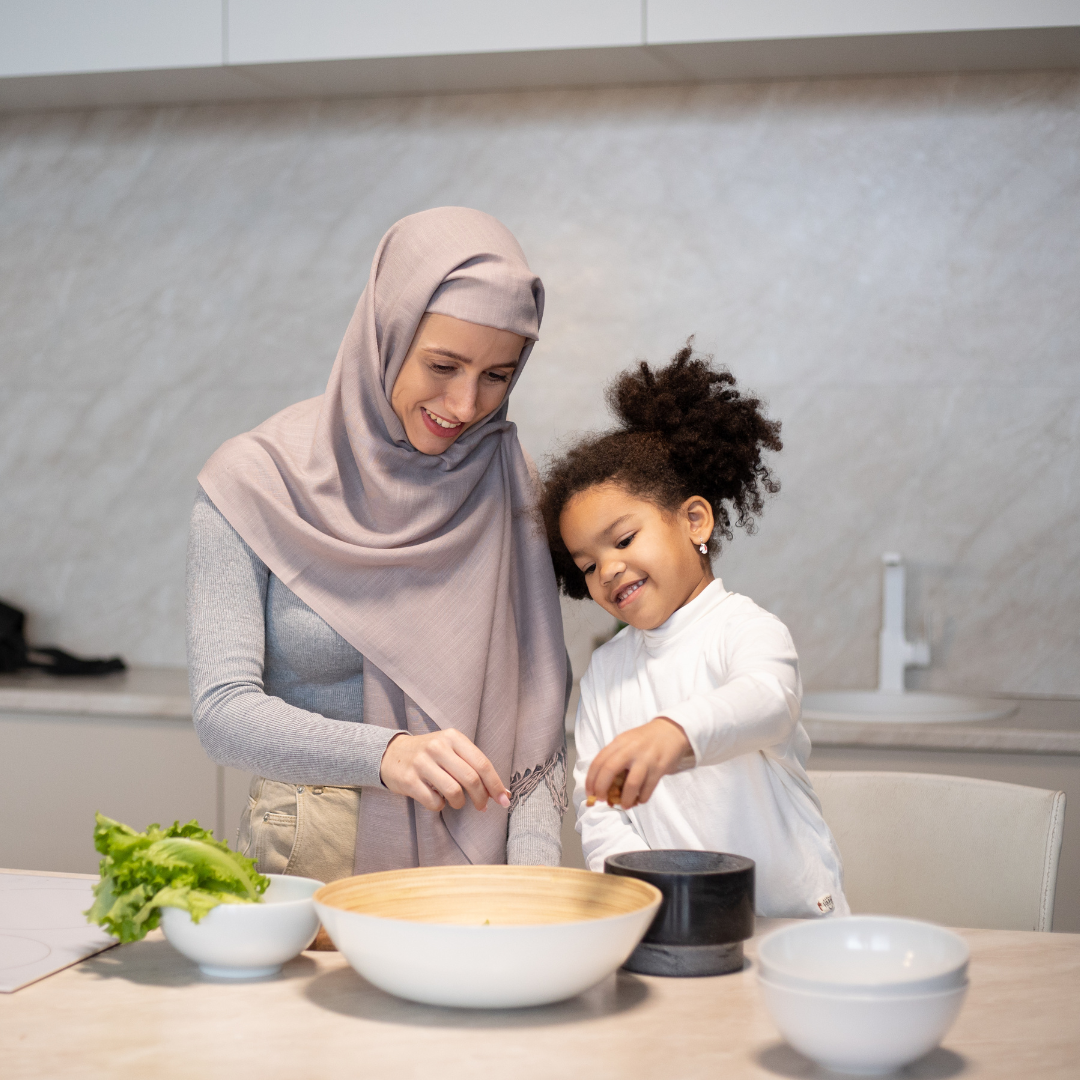
Every parent benefits from knowing a core set of cooking techniques that save time, improve nutrition, and make mealtimes easier. Mastering simple methods like sautéing, roasting, and steaming equips parents to prepare meals that are both healthy and appealing to children.
These techniques help parents adapt recipes quickly, manage busy schedules, and reduce reliance on processed foods. By understanding the basics, anyone can turn everyday ingredients into nourishing dishes that support their family’s well-being.
Knowing how to cook efficiently also encourages creativity in the kitchen, making it easier to introduce new flavours and textures to picky eaters. These skills build a solid foundation for cooking confidently and consistently.
Essential Cooking Techniques for Parents
Parents benefit from mastering key methods that keep meals nutritious and quick. Focus on techniques that handle common ingredients like pasta, vegetables, and casseroles. This knowledge helps create balanced dishes efficiently.
Boiling and Steaming Basics
Boiling is essential for cooking pasta until it’s al dente. Use plenty of salted water and follow the package timing closely to avoid overcooking. Boiling also suits tougher vegetables like carrots or potatoes, softening them for meals and casseroles.
Steaming preserves vitamins and texture better than boiling, making it ideal for green vegetables. Use a steamer basket over simmering water and cover tightly. Steam times vary; for example, broccoli florets take 5-7 minutes, while root vegetables need longer.
Both methods require attention to timing and water levels to prevent nutrient loss or sogginess. These straightforward techniques form the base for many quick, healthy family meals.
Sautéing and Stir-Frying Skills
Sautéing quickly cooks vegetables or small meat pieces in a little oil over medium heat. It’s perfect for tender vegetables like bell peppers or courgettes. Keep food moving to prevent burning and retain crispness.
Stir-frying uses high heat and continuous stirring, ideal for a mix of colourful vegetables in one pan. Use small, uniform vegetable cuts for even cooking. This method is great for quick meals with added protein or preparing ingredients before adding them to casseroles.
Both techniques depend on preheating the pan and controlling oil amount. Parents can use these methods to make tasty, nutrient-rich dishes in under 20 minutes.
Baking for the Family
Baking offers hands-off cooking ideal for casseroles and baked pasta dishes. Preheat the oven thoroughly and follow recipe times to ensure even cooking. Cover casseroles with foil early on to keep moisture, then uncover near the end for browning.
Using ovenproof dishes with lids or tight foil seals enhances heat circulation and prevents drying out. Baking allows parents to prepare meals in advance and reheat them, saving time on busy days.
Baking encourages batch cooking, supporting family meals that serve multiple days with minimal extra effort.
Meal Preparation and Family Favourites
Meal preparation is about efficiency and creating dishes that satisfy the whole family. Knowing how to cook certain staples well can save time and reduce stress during busy evenings.
Perfecting Roast Chicken
Roast chicken is a versatile family favourite that can work for multiple meals. The key is to dry the skin thoroughly before roasting to achieve crispiness. Rubbing the chicken with oil and seasoning inside and out ensures even flavour.
Using a roasting rack allows heat to circulate, cooking the chicken evenly. Cooking at around 190°C (375°F) for 20 minutes per 500g plus 20 minutes guarantees it is cooked through without drying out. Resting the chicken for 10-15 minutes after roasting retains juices.
Adding vegetables like carrots and potatoes to the roasting tray creates a complete meal with minimal extra effort.
Preparing Easy Casseroles
Casseroles are practical for feeding families and can be assembled ahead of time. A good casserole balances protein, vegetables, and a flavourful sauce or gravy.
Slow cooking at low temperatures, around 150°C (300°F), for 2-3 hours tenderises tougher cuts of meat. Using ingredients like onions, carrots, celery, and stock enhances the base flavour.
Layer the casserole with meat at the bottom for even cooking and top with root vegetables. Cover with a tight lid or foil to keep moisture in. Reheating casseroles often improves their taste, making leftovers a reliable option.
Time-Saving Kitchen Methods
Efficient kitchen tools and straightforward recipes are essential for busy parents aiming to prepare nutritious meals quickly. The use of appropriate appliances and cooking styles can drastically cut down cooking times without sacrificing flavour or variety.
Using Slow Cookers and Pressure Cookers
Slow cookers and pressure cookers save valuable time by reducing hands-on preparation. Slow cookers allow parents to assemble ingredients like vegetables and meat in the morning, then return to a fully cooked meal in the evening. This method suits casseroles, stews, and even steamed vegetables.
Pressure cookers, on the other hand, cook meals in a fraction of the time traditional methods take. They are effective for tenderising tougher cuts of meat and cooking pulses quickly. This appliance also reduces energy use by shortening cooking times significantly.
Both devices require minimal supervision, allowing parents to multitask or care for children during meal preparation. Using them can simplify weekly meal planning.
Simple One-Pot Dishes
One-pot dishes combine ingredients to cook simultaneously, saving time on both cooking and cleaning. Recipes often include proteins, vegetables, and grains cooked together. For example, casseroles incorporating root vegetables and lean meats offer a balanced, ready-to-serve meal.
These dishes benefit from straightforward preparation, often requiring only chopping and assembling before cooking. They foster variety; swapping vegetables or proteins achieves different flavours without complicating the process.
Parents find one-pot meals practical for daily family dinners, as they require fewer dishes and less attention. This approach makes cooking less stressful and more adaptable to time constraints.

