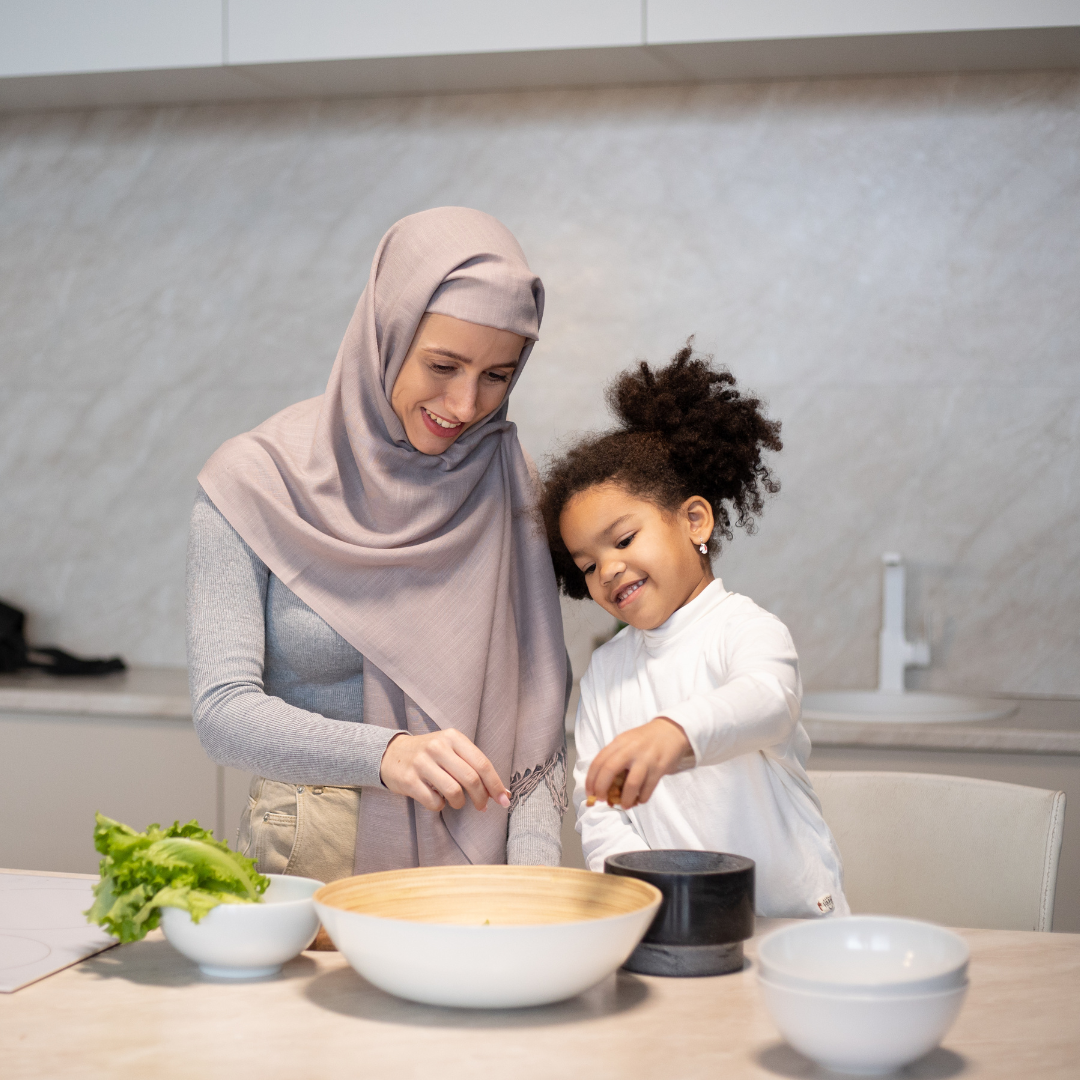
Teaching kids about food and nutrition is essential for fostering healthy habits that can last a lifetime. Engaging children in fun and interactive ways can empower them to make informed choices about what they eat. Understanding food groups, nutritional values, and the importance of a balanced diet lays the foundation for a healthier future.
Parents and educators can incorporate practical activities such as cooking together, visiting local markets, or exploring gardens to make learning more enjoyable. By involving children in hands-on experiences, they can develop a deeper appreciation for food and its sources.
Promoting nutrition education through games, storytelling, and visual aids can also capture their interest and sustain their curiosity. Establishing a supportive environment in which kids feel encouraged to ask questions and experiment with new foods will enhance their understanding of nutrition.
Understanding Nutrition and Healthy Eating
Nutrition plays a vital role in children’s growth and development. Teaching kids about the key nutrients, the significance of a balanced diet, and the food groups can set the foundation for lifelong healthy eating habits.
Key Nutrients and Their Roles
Key nutrients include macronutrients and micronutrients, which are essential for the body’s functioning. Macronutrients consist of carbohydrates, proteins, and fats.
- Carbohydrates: These provide energy, particularly for active children.
- Proteins: Necessary for growth, repair, and immune function, they include sources like meat, dairy, beans, and nuts.
- Fats: Healthy fats, such as omega-3, support brain development and aid in vitamin absorption.
Micronutrients, such as vitamins and minerals, are equally important. For example, iron is crucial for blood health, while vitamin D supports bone health. Encouraging a varied diet ensures children receive these vital nutrients.
The Importance of a Balanced Diet
A balanced diet contains foods from all food groups, offering all the necessary nutrients in appropriate proportions. It can help prevent obesity, nourish developing bodies, and support optimal health.
Eating a variety of foods helps prevent nutritional deficiencies. Children should aim to include:
- Fruits and vegetables: Rich in vitamins and minerals.
- Whole grains: Provide fibre and energy.
- Dairy or alternatives: Important sources of calcium and vitamin D.
Promoting the idea of filling half the plate with fruits and vegetables can simplify meal planning and make healthy eating enjoyable.
Food Groups and Healthy Choices
Understanding food groups aids children in making healthier choices. The primary food groups include:
- Fruits and Vegetables: They should be colourful and varied.
- Proteins: Incorporate both plant-based and animal sources.
- Grains: Opt for whole grains over refined options.
- Dairy: Encourage low-fat or non-dairy alternatives, which are high in essential nutrients.
Teaching kids to read labels can assist them in identifying healthy options. Additionally, introducing cooking or meal preparation encourages hands-on learning about nutrition, making healthy choices habitual.
Practical Ways To Teach Kids About Food
Teaching children about food can be engaging and informative. Using various methods, caregivers can instil healthy eating habits and knowledge about nutrition.
Making Learning About Food Fun
Incorporating games and interactive activities helps children absorb information about food. For instance, using photos of fruits, vegetables, and whole grains in a matching game can enhance recognition and understanding.
Hands-on activities such as gardening or visiting a local farm provide practical experiences. Children learn where food comes from and its role in healthy eating. Cooking-themed games that involve counting ingredients can integrate math skills with food knowledge, making learning enjoyable.
Cooking and Meal Planning Together
Cooking with children encourages them to understand meal preparation. Involving them in planning nutritious meals fosters a sense of responsibility and creativity.
Creating a weekly meal plan can be both a fun challenge and an educational experience. Discussing the food groups and how they contribute to a balanced meal teaches vital concepts.
For example, a simple weeknight dinner could include whole-grain pasta, vegetables, and a protein source. Children can help select recipes, measure ingredients, and experience various cooking methods, thereby enhancing their skills and confidence.
Understanding Food Labels
Teaching children to read food labels is essential for informed choices. Start by explaining the parts of a food label, such as serving size, calories, and nutritional information.
Using products they already enjoy can make this more relatable. For instance, analysing whole-grain crackers or cereal boxes can show how to identify healthier options.
Highlighting important nutrients, such as fibre and protein, empowers children with knowledge to choose healthier snacks. Engaging discussions about sugar content can encourage them to opt for fruits or homemade treats instead of heavily processed foods.
Encouraging a Variety of Foods
Promoting a diverse range of foods can help children develop healthy eating habits. Offering different fruits, vegetables, and whole grains can expand their palates.
Using strategies such as themed taste-testing nights can make trying new foods exciting. For example, choose a country and prepare traditional dishes that incorporate local fruits and vegetables.
Encouraging children to help select what to cook can give them a sense of ownership over their diet. By exposing them to healthy options regularly, they are more likely to embrace a variety of foods as part of their daily meals.
Promoting Healthy Habits and Mindsets
Teaching children about food and nutrition involves fostering healthy habits and developing positive mindsets. This can significantly influence their lifelong relationship with food.
Being a Positive Role Model
Children learn behaviours by observing adults. By modelling healthy eating habits, parents and caregivers can set a clear example. This includes choosing nutritious foods, preparing meals together, and enjoying a variety of foods.
Making mealtimes a family affair reinforces the importance of shared meals. Engaging in conversations about food choices helps children feel more involved. When they see adults making healthy choices, they are more likely to imitate those behaviours.
Offering a balanced plate with fruits, vegetables, proteins, and whole grains illustrates good nutrition. Emphasising the enjoyment of food rather than restrictive diets can foster a positive attitude towards eating.
Supporting Picky Eaters
Picky eating is common among children and can be managed with patience and strategies. Encouraging children to try new foods can help broaden their tastes. This can include presenting food in fun and appealing ways.
Parents should avoid pressure during meals, as it may create anxiety around food. Offering small portions can make trying new foods less intimidating. Incorporating healthy options into familiar dishes can ease the transition.
Reinforcing the idea that it’s normal to have preferences allows children to feel accepted. Celebrating small successes when they try new options can also build confidence.
Building Healthy Eating Patterns
Establishing regular meal and snack times creates predictability for children. Consistency helps develop a healthy eating pattern and encourages feelings of fullness.
Including a variety of healthy foods at every meal teaches children about nutritional diversity. Families can introduce new foods gradually within their meals. Engaging children in grocery shopping or meal planning can also empower them.
School lunches should align with these healthy habits. Parents can collaborate with schools to ensure nutritious options are available. Educating children about choosing healthy meals from the cafeteria further reinforces these patterns.
Linking Nutrition to Growth and Wellbeing
Nutrition plays a vital role in children’s growth and well-being, impacting their physical health and cognitive development. A balanced diet rich in essential nutrients supports brain function, energy levels, and overall health.
Nutrition and Brain Development
The brain requires specific nutrients to develop properly, especially in early childhood. Foods rich in omega-3 fatty acids, such as fish, are crucial for brain health. Additionally, fruits and vegetables provide antioxidants that support cognitive function.
Incorporating dairy products offers calcium, which is important for brain structure and function. Key amino acids from proteins are also vital, as they aid neurotransmitter development, influencing mood and learning capabilities. Including a variety of nutrient-dense foods creates a foundation for optimal brain development.
Physical Activity and Energy
Nutrition fuels physical activity, which is essential for children’s growth and development. Proper energy intake from nutritious foods correlates with the ability to participate in play and exercise.
Foods such as whole grains, lean proteins, and fresh fruits provide the necessary energy for active lifestyles. Consuming a balanced meal prior to physical activities enhances performance and stamina. Encouraging children to maintain an active lifestyle, combined with healthy eating, supports both physical and mental well-being.
Avoiding Sugary Snacks and Drinks
Limiting sugary snacks and drinks is crucial for maintaining health. These items offer empty calories, leading to weight gain and potential health issues. Consuming excessive sugar can affect energy levels and concentration.
Parents should offer healthy snacks, such as nuts, yoghurt, or cut-up vegetables, which provide essential nutrients without excess sugar. Teaching children to choose water over sugary drinks fosters better hydration habits. Overall, promoting healthier choices equips children with the tools for lifelong wellbeing and resilience against health challenges.